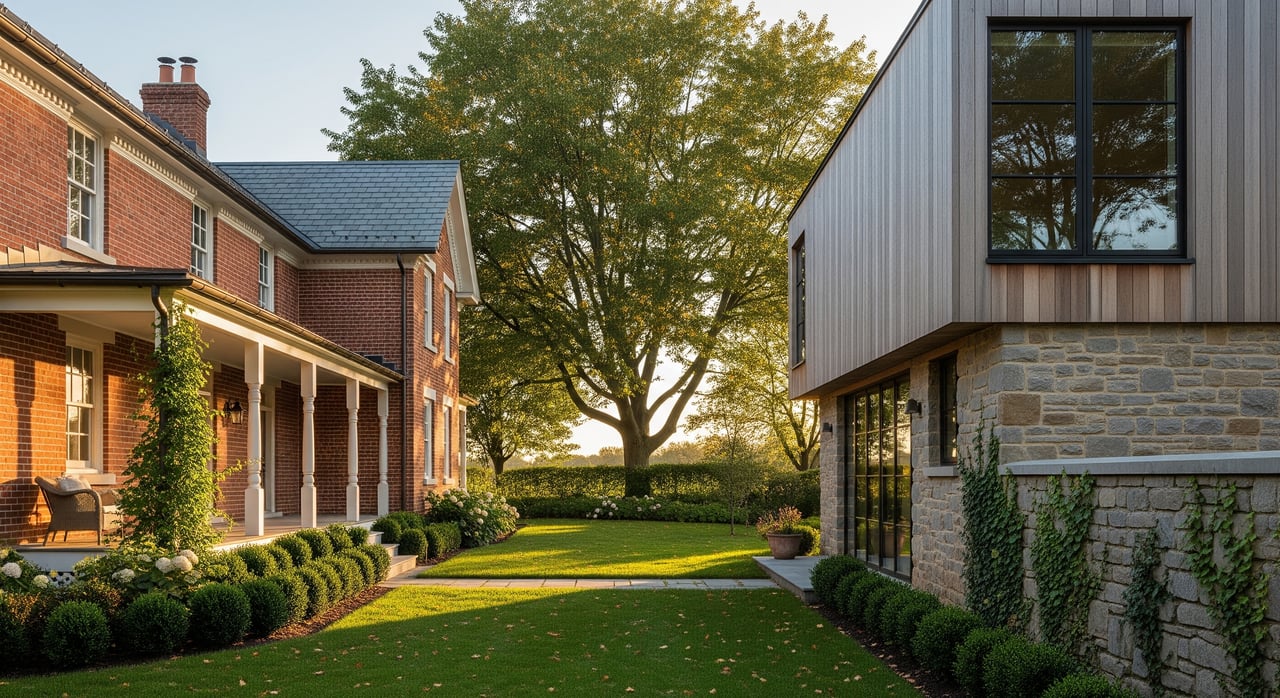
New Market MD New Construction or Historic Home?
Torn between a brand-new build and a home with vintage character in New Market? You’re not alone. Many buyers love the charm of historic streets while craving the ease of modern layouts and systems. In this guide, you’ll compare both paths through a local lens, including floor plans, maintenance, energy performance, resale, permitting, and financing. Let’s dive in.
New Market is a small town in Frederick County with a historic commercial core and residential neighborhoods. You’ll find homes that date to the 19th and early 20th centuries alongside newer subdivisions. The broader Silver Spring-Frederick-Rockville metro shapes demand and pricing, since many buyers choose Frederick County for better value while keeping a reasonable commute to regional job centers.
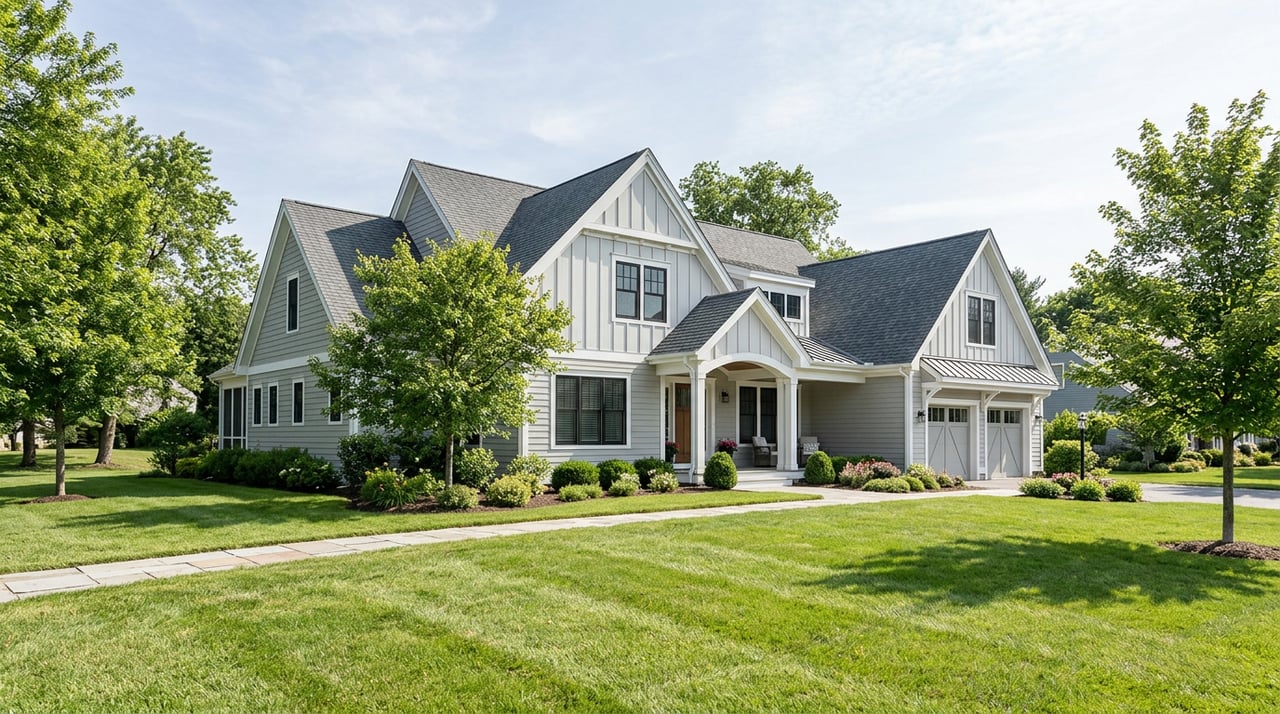
New homes often deliver open-concept main levels, large kitchen islands, multiple baths, attached garages, and flexible bonus spaces. You typically see mudrooms or upper-level laundry and a primary suite on the second floor or sometimes the main level. Many builds are pre-wired for smart features and meet current code for insulation, egress, fire safety, and HVAC sizing.
Foundations are usually poured concrete or block with modern damp-proofing. Framing commonly uses engineered lumber and modern sheathing with housewrap. You’ll see 200-amp electrical panels, copper or PEX plumbing, and contemporary HVAC, which reduces near-term replacement risk.
Builders often provide limited warranties, such as a 1-year general defect warranty, 2 to 3 years on systems, and around 10 years on structural coverage. Landscaping may start basic, and you might add hardscaping or plantings over time. Early maintenance is usually low, but confirm warranty details in writing and ask about the builder’s track record.
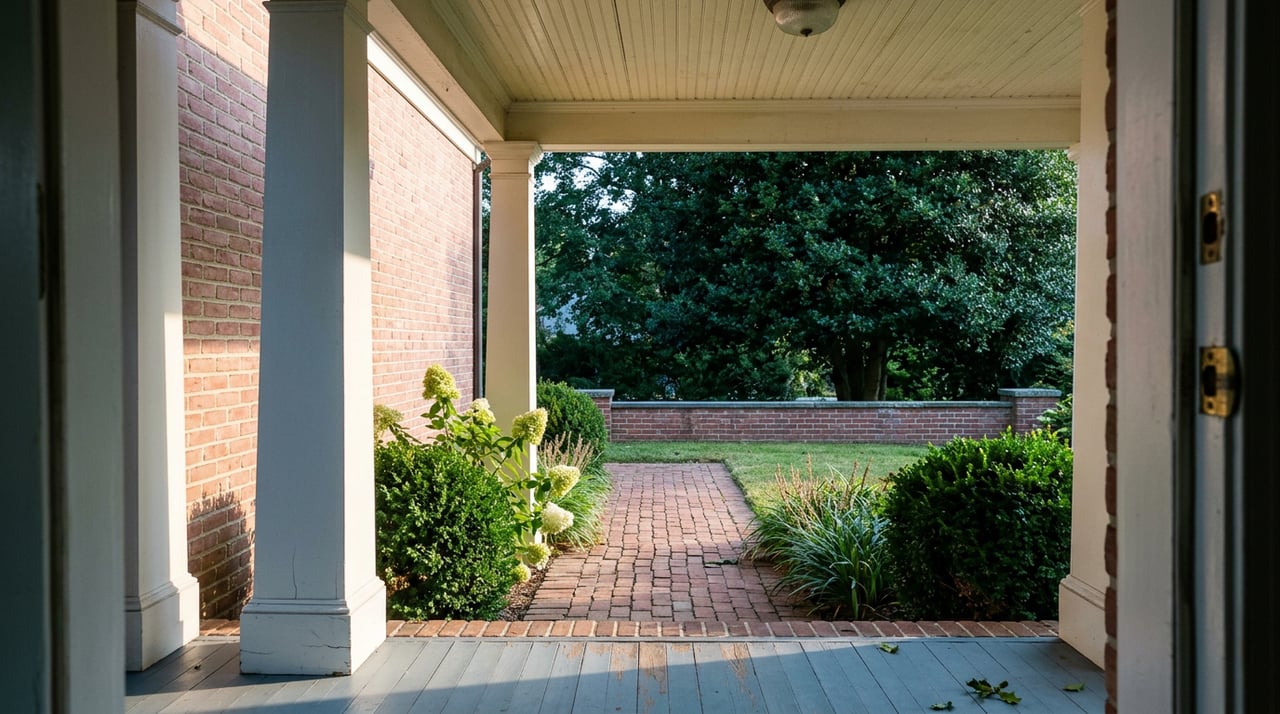
Older homes in New Market can feature distinct rooms, moldings, built-ins, staircases with detail, and high ceilings. Many were designed with formal living and dining rooms, and kitchens may be smaller or updated over time. These homes often sit on varied lots with mature trees and landscaping that you cannot replicate quickly in newer communities.
You may find heavy timber or balloon framing, plaster walls, and wood siding, plus stone or brick foundations that need repointing or water mitigation. Roofing may include materials like slate or wood shingles that are beautiful but more specialized to repair. Mechanical systems can be older, including HVAC, plumbing, and electrical; upgrades are common.
Expect a higher likelihood of near-term projects, such as electrical panel upgrades, roof work, insulation improvements, or addressing lead-based paint in pre-1978 homes. Historic properties sometimes require specialized trades, which can increase costs. That said, high-quality vintage materials, like solid wood floors and old-growth lumber, can last for generations when maintained.
New construction typically meets current energy codes for insulation and air sealing, often with double or triple-pane windows and efficient HVAC equipment. Some new homes may carry a HERS score, which rates energy performance; a lower score indicates better efficiency. For older homes, an energy audit and blower-door test can pinpoint air leaks and insulation gaps. You can pursue upgrades and may qualify for incentives through state programs and local utilities, including offerings from the Maryland Energy Administration. A well-renovated older home can perform very well when systems and insulation are properly updated.
Buyer preferences often split between low-maintenance, modern layouts and the unique character of historic homes. In markets where historic properties are common and well cared for, they can achieve strong resale results, especially when updates respect original details. Newer models can also command premiums for layout and efficiency, though if many similar homes hit the market at once, pricing can face pressure. Over time, location, lot maturity, proximity to town amenities, and the quality of workmanship and updates play a larger role in value than age alone.
New construction can be financed with construction-to-permanent loans or standard conventional mortgages after completion, sometimes with builder programs. For older homes that need work, renovation loans like FHA 203(k) or Fannie Mae HomeStyle can roll improvements into one loan, subject to eligibility and appraisal requirements. Insurance for older homes may cost more if systems are dated or the roof is near end-of-life, and some carriers require updates before issuing a policy. For any home built before 1978, plan for lead-based paint disclosures and safe practices, and recognize that very old materials may contain asbestos.
Parts of New Market fall within a National Register historic district. The National Register listing alone does not impose restrictions, but local ordinances may. Exterior changes in certain areas could require local review, so verify requirements with the Town of New Market and the Maryland Historical Trust. Inside town boundaries, confirm whether you need both town and county approvals, and always check that past renovations were permitted and inspected.
Use this quick list when comparing a specific new build to a historic home in New Market:
Consider your day-to-day needs and appetite for projects:
A clear plan beats guesswork. With local knowledge of New Market and Frederick County, you can compare homes apples-to-apples on systems, permits, energy performance, and resale comps. You’ll also coordinate with inspectors, lenders, and insurers to confirm the real cost to own before you commit. If you’re considering new construction, you can review warranty terms and builder reputation; if you’re leaning historic, you’ll understand what updates are smart and what approvals you might need.
When you’re ready to explore both paths and find your best fit, connect with Myah C. Moxley for high-touch guidance backed by local insight and trusted processes.
Myah makes meeting customer needs and satisfaction a priority and characteristic of RE/MAX Plus. Your goals are her goals, and she will work tirelessly for you to ensure your dreams are realized. Whether you are in the market to buy or sell, give Myah a call today, and let her work for you!