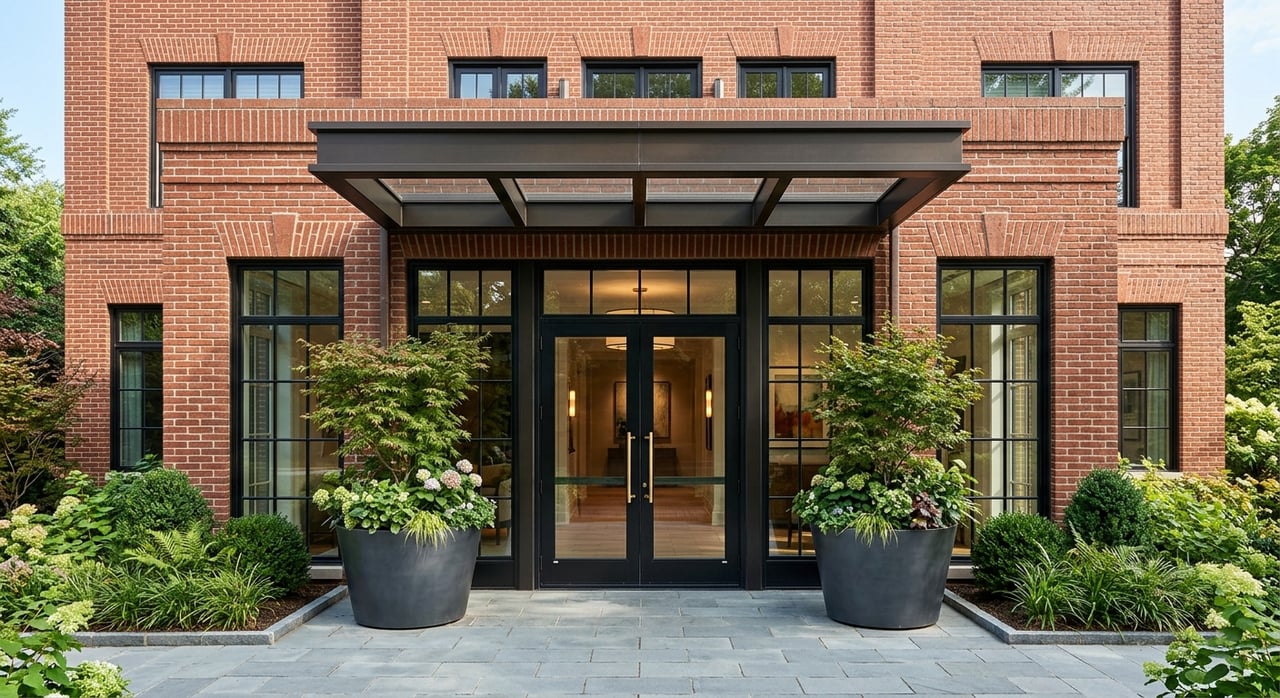
North Bethesda Condo vs House: A Practical Guide
Trying to choose between a condo and a single-family home in North Bethesda? It is a big decision that affects your monthly budget, daily routine, and long-term plans. You want the right mix of space, convenience, and value without surprise costs. In this guide, you will learn how prices and monthly expenses compare, what HOAs cover, how financing can differ, and what lifestyle fits each option in North Bethesda. Let’s dive in.
Prices vary by source and timeframe, but the pattern is clear: single-family homes generally cost more than condos in North Bethesda. Recent reporting shows condos commonly range from the mid-$200,000s to the mid-$500,000s, while single-family homes often run from the mid-$600,000s to $1.2 million or more depending on neighborhood and condition. Redfin’s February 2026 snapshot placed the overall median sale price around $779,000, and it noted longer market times than peak-pandemic lows. Realtor.com has shown a different midpoint near $529,900, which highlights how medians shift based on list versus sale prices and time windows.
Condo inventory in the Pike & Rose and White Flint corridors continues to evolve with mixed-use projects and mid-rise buildings that can add supply and shape pricing. Local coverage has tracked new development across the county that feeds this area’s pipeline and amenities. You can explore examples of mixed-use living at Pike & Rose and county development coverage for broader context at the start of the year.
Your monthly outflow is more than principal and interest. In Montgomery County, you will layer in property taxes, HOA or condo dues, insurance, utilities, and a maintenance reserve. Rates change daily, but national averages for a 30-year fixed sat near 6.0 percent in early March 2026. Always update numbers for the home and date you are considering.
Assumptions for both examples below: 20 percent down, 30-year fixed at 6.0 percent (March 2026 reference above), and a representative Montgomery County property tax rate of about 1.15 percent. Condo dues vary by building and what is included. Numbers are estimates to show how categories add up.
| Cost item | North Bethesda Condo | North Bethesda Single-Family |
|---|---|---|
| Purchase price | $375,000 | $800,000 |
| Down payment | 20% | 20% |
| Loan amount | $300,000 | $640,000 |
| Principal & interest (6.0%) | ≈ $1,800/mo | ≈ $3,840/mo |
| Property taxes (1.15%) | ≈ $360/mo | ≈ $767/mo |
| HOA/condo dues | ≈ $450/mo | $0 |
| Insurance | Condo HO-6 ≈ $35/mo | Homeowners ≈ $160/mo |
| Owner utilities | ≈ $60/mo | ≈ $300/mo |
| Maintenance reserve | Built into HOA | ≈ $667/mo (1%/yr rule) |
| Estimated monthly total | ≈ $2,705/mo | ≈ $5,734/mo |
Key takeaways:
Choosing between condo and single-family often comes down to how you want to live day to day, how much time you want to spend on maintenance, and how much control you want over your property.
Most condo associations maintain the building exterior, roof, common areas, landscaping, elevators, corridors, and often carry a master insurance policy for the structure. Many North Bethesda buildings include some utilities in dues such as water, sewer, and trash, and some include heat. You insure the interior of your unit and personal property, and you handle your finishes and appliances. The Maryland Condominium Act sets the framework for governance, owner responsibilities, disclosures, and resale procedures. You can review the law’s structure in the Maryland Condominium Act.
With a detached home, you have full control of the property and the freedom to update as you wish. You also take on the roof, siding, driveway, yard, and most service lines. That means planning for surprise costs. A common homeowner rule is to reserve about 1 percent of your home’s value per year for maintenance and replacements, which can help prepare for items like HVAC or roofing. Industry coverage has noted rising costs and the importance of reserves, which applies to both individual owners and associations. See this overview on reserve needs and fee pressure: industry guidance on fees and safeguards.
Condo boards may levy special assessments for major projects such as elevator replacements or plumbing riser work. A well-funded reserve and a current reserve study lower the risk of large one-time charges. Always request the last year of board minutes, the budget, and the reserve study in your resale packet. The same “planned and funded” mindset helps single-family owners avoid being surprised by larger repairs.
Condo financing has extra steps. Many conventional lenders and agencies review the building itself. Projects that meet standards are considered warrantable, which tends to open the door to more financing options and buyers. Projects that fall short can be harder to finance and may limit your resale pool.
If you are buying a condo, ask your lender and agent how the building will be reviewed. Look closely at owner occupancy percentage, investor concentration, HOA delinquency rates, reserve funding, any litigation, and rental restrictions. These items impact both financing and your future resale options.
Sales velocity can also differ by product type. In recent periods, condos in some markets have trailed single-family in pace due to shifting buyer preferences and new multi-family supply. In North Bethesda, ongoing new mixed-use supply and amenity-rich towers can influence pricing and time to contract. This is another reason to weigh HOA strength, dues trends, and building-level demand when comparing options.
Transit access is a strong advantage for many condos near Rockville Pike. The Red Line serves the area at the Grosvenor–Strathmore station and the North Bethesda (formerly White Flint) area, with Metrobus and Ride On routes providing local connections. For context on station location and service, see Grosvenor–Strathmore.
Walkability is a highlight around Pike & Rose, where you can stroll to restaurants, grocery, fitness, and entertainment. For buyers who want a car-light lifestyle, this can be a deciding factor. Explore the mixed-use environment at Pike & Rose.
For households prioritizing school assignment, North Bethesda is served by Montgomery County Public Schools, including North Bethesda Middle and Walter Johnson High as part of the Walter Johnson cluster. School boundaries can change over time, so always verify the current assignment directly with MCPS. Start here for official cluster information: Walter Johnson cluster page.
A smart review of documents and line items can protect your budget and resale options.
Choose a condo if you want lower maintenance, a walkable mixed-use setting, and predictable monthly costs through HOA dues. You will likely trade some space and control for convenience and amenities. If transit access, Pike & Rose lifestyle, or lock-and-leave living top your list, a condo near Rockville Pike could be a fit.
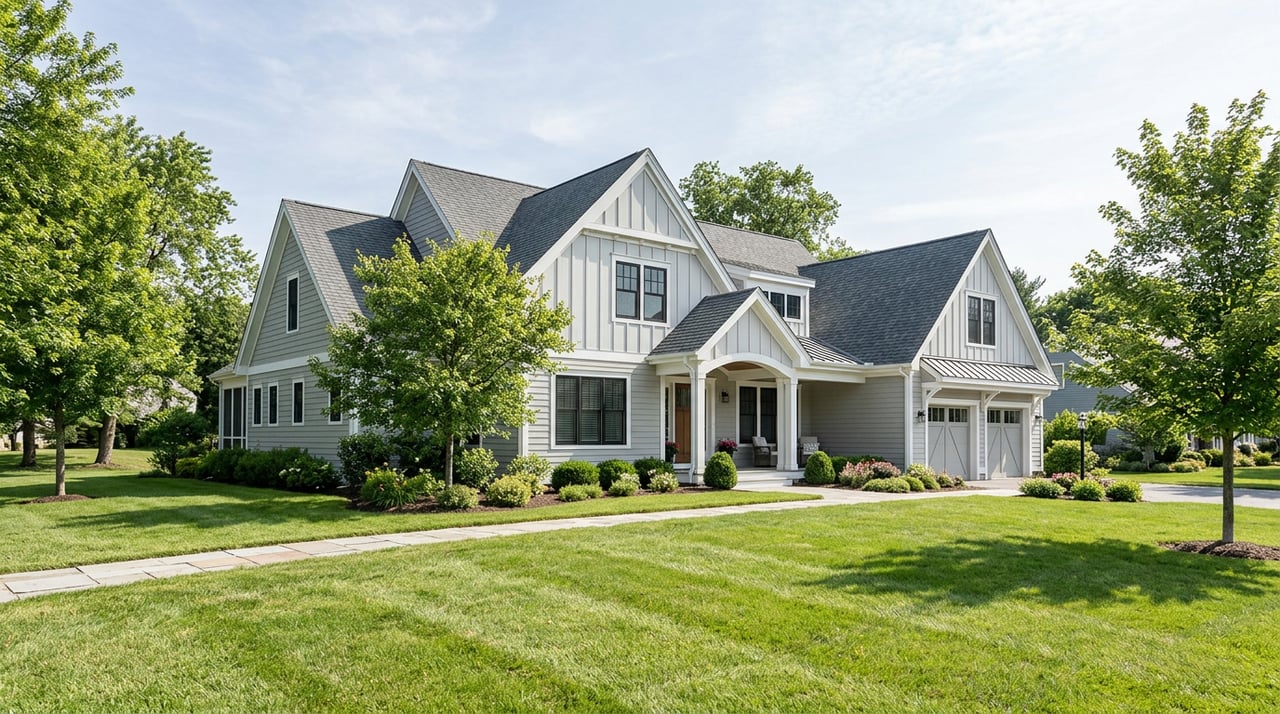
Choose a single-family home if you want more space, a yard, and full control over your property. Expect higher monthly costs once you include insurance, utilities, and a maintenance reserve. For households that prioritize private outdoor space and long-term flexibility, a detached home can support those goals.
If you want help modeling the totals for a specific address, reach out. A quick side-by-side with the actual tax district, HOA inclusions, and updated rates will make your choice much clearer. Ready to compare real homes in North Bethesda and nearby Montgomery County communities? Let’s talk with Myah C. Moxley.
Myah makes meeting customer needs and satisfaction a priority and characteristic of RE/MAX Plus. Your goals are her goals, and she will work tirelessly for you to ensure your dreams are realized. Whether you are in the market to buy or sell, give Myah a call today, and let her work for you!