Your Urbana MD Community Guide to Daily Life
Wondering if Urbana, Maryland is just another suburban development? Not quite. Urbana is better understood as a planned community with multiple connected areas, everyday conveniences, and a lifestyle built around amenities, green space, and easy access to the wider Frederick County region. If you are thinking about moving here, this guide will help you get a clearer picture of what daily life in Urbana communities is really like. Let’s dive in.
One of the first things to know is that Urbana is not just one subdivision. Frederick County identifies Urbana as a regional community with a Village Center area along MD 80 and MD 355, shaped by the Villages of Urbana, Urbana Highlands, and the older Old Urbana core. The 2020 Census counted 13,304 people in the Urbana CDP, which gives you a sense of both its scale and its established presence.
That layered layout matters when you are trying to picture life here. Instead of feeling like a single isolated development, Urbana functions more like a connected small-town-style community with different sections that work together. Its location in southern Frederick County, near the Montgomery County line, also helps explain why so many buyers look at it as part of the broader Frederick to Rockville and Silver Spring commuter orbit.
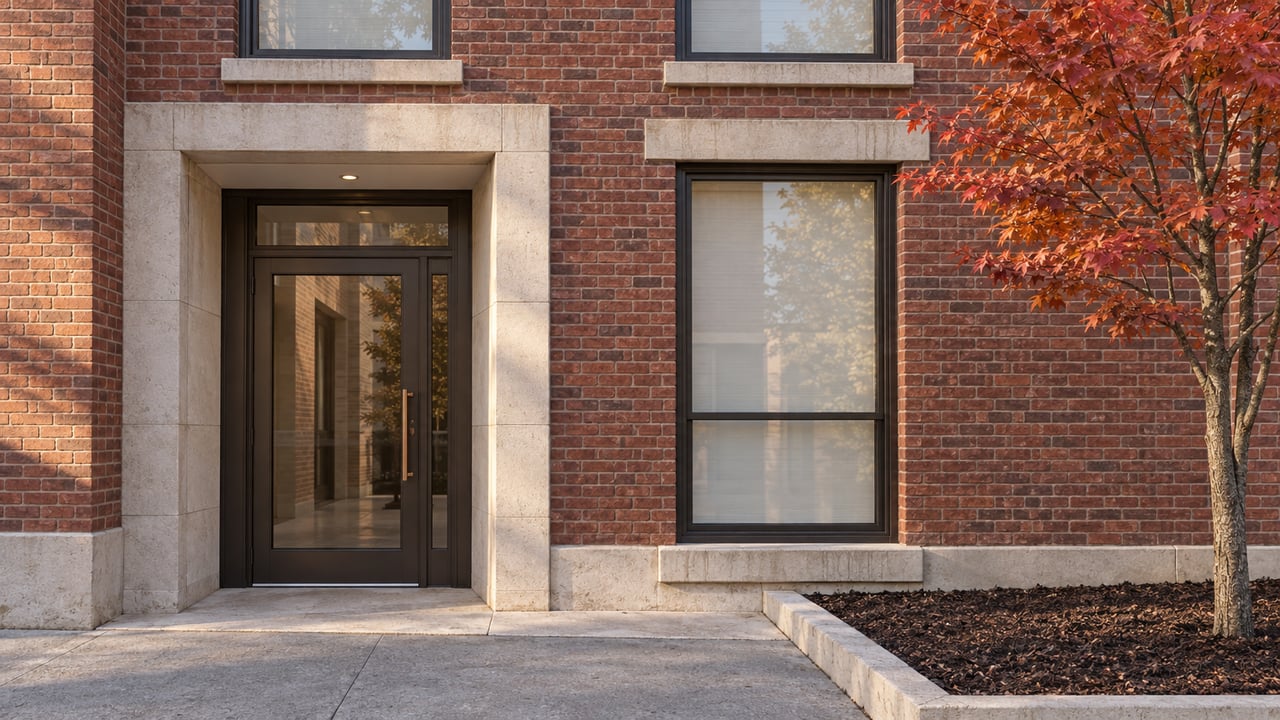
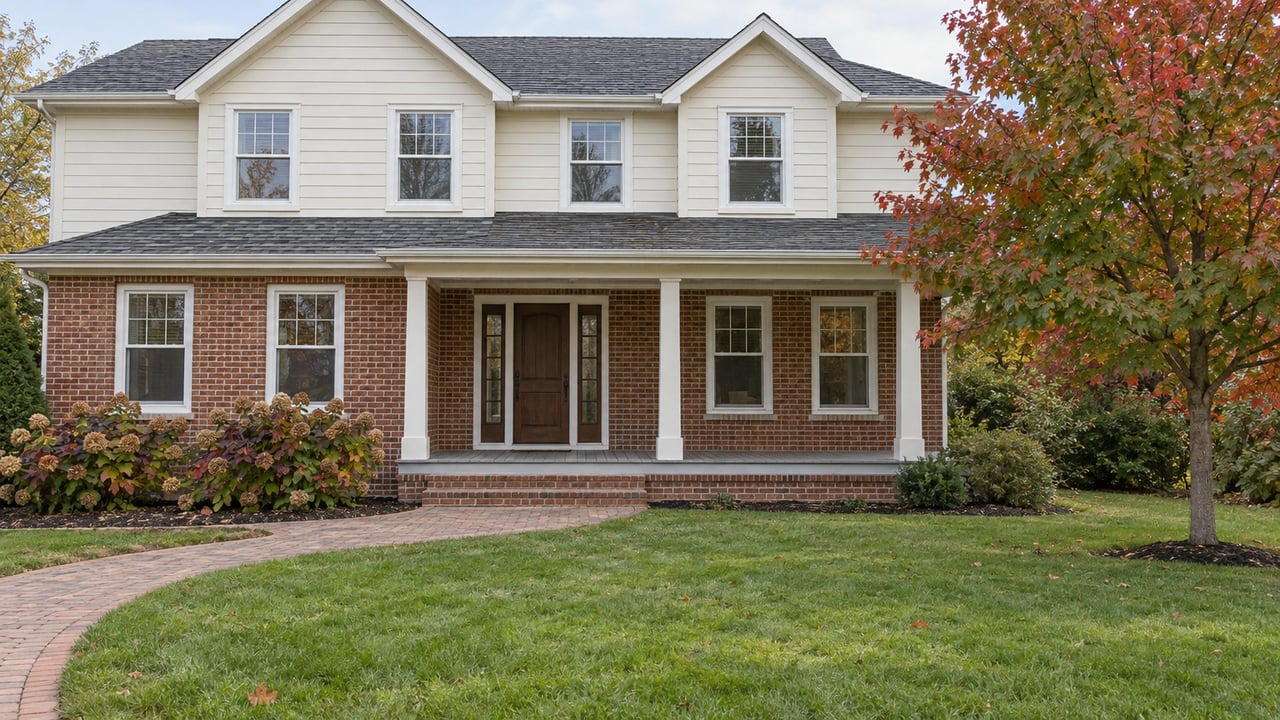
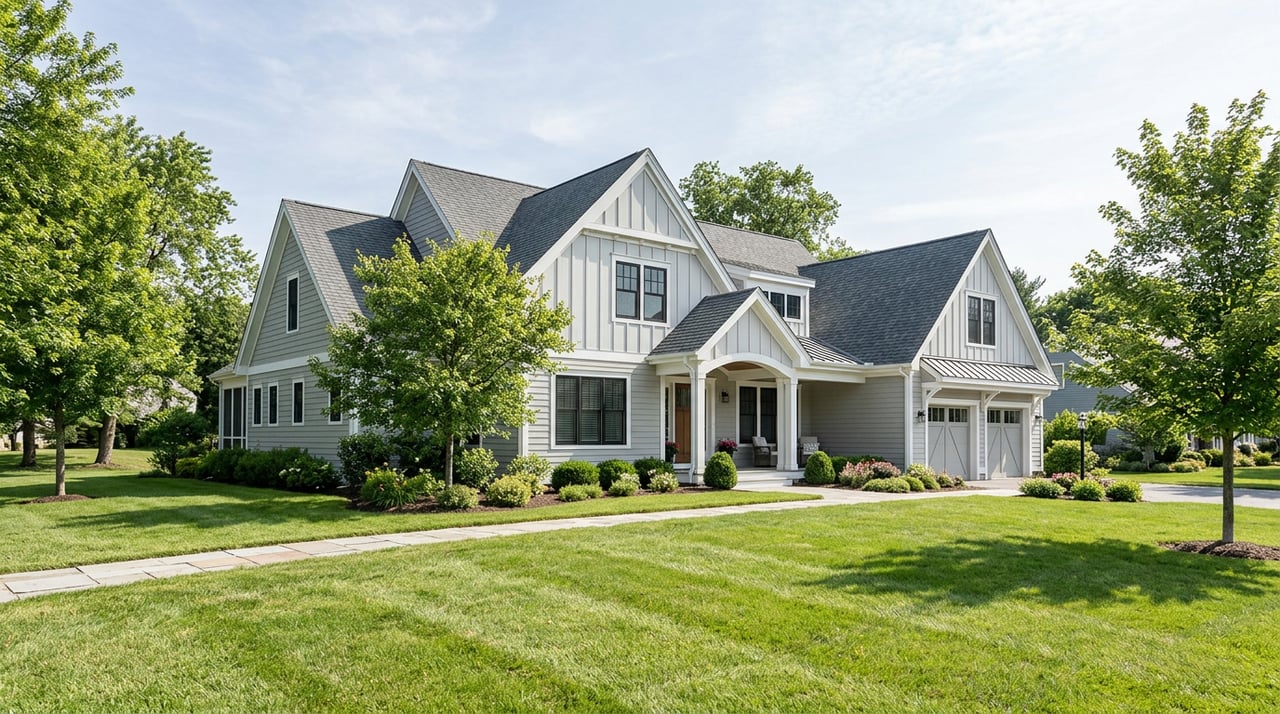
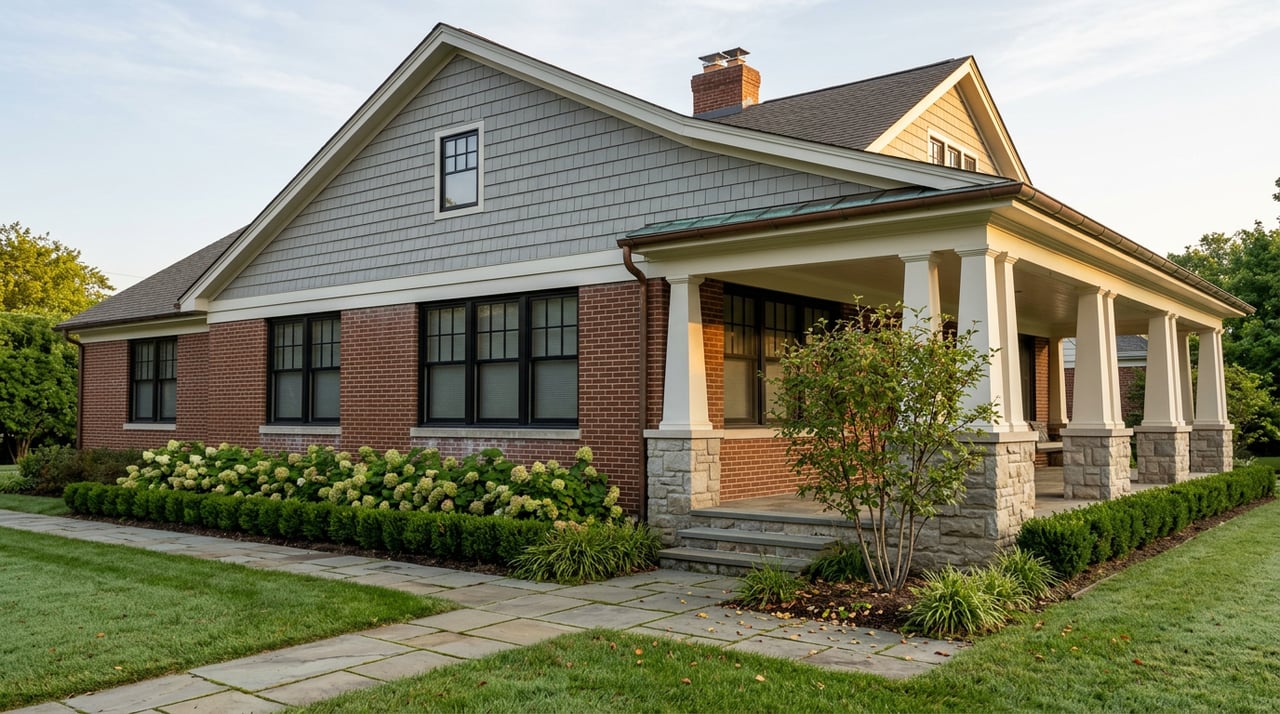
If you expect every home in Urbana to look the same, you may be surprised. Current and recent community materials point to a mix of luxury townhomes and single-family homes rather than one uniform housing type. That can give you more flexibility depending on your space needs, budget, and stage of life.
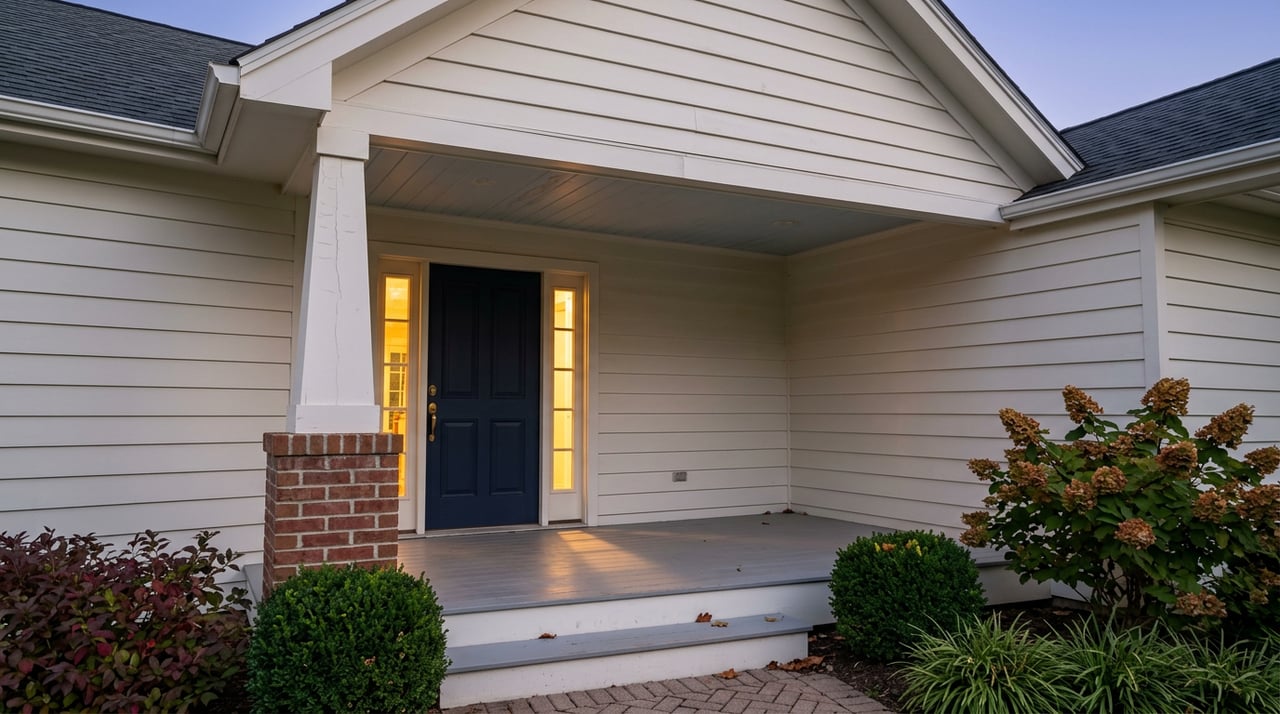
Some of the townhomes in the Market District are described as 3- and 4-level homes with roughly 2,247 to 2,831 or more square feet, 3 to 5 bedrooms, up to 4.5 baths, and 2-car garages. Builder materials for single-family homes describe features like main-level guest suites, covered rear porches, finished lower levels, and bedroom-level laundry. In practical terms, that means you can find homes designed for both everyday function and long-term comfort.
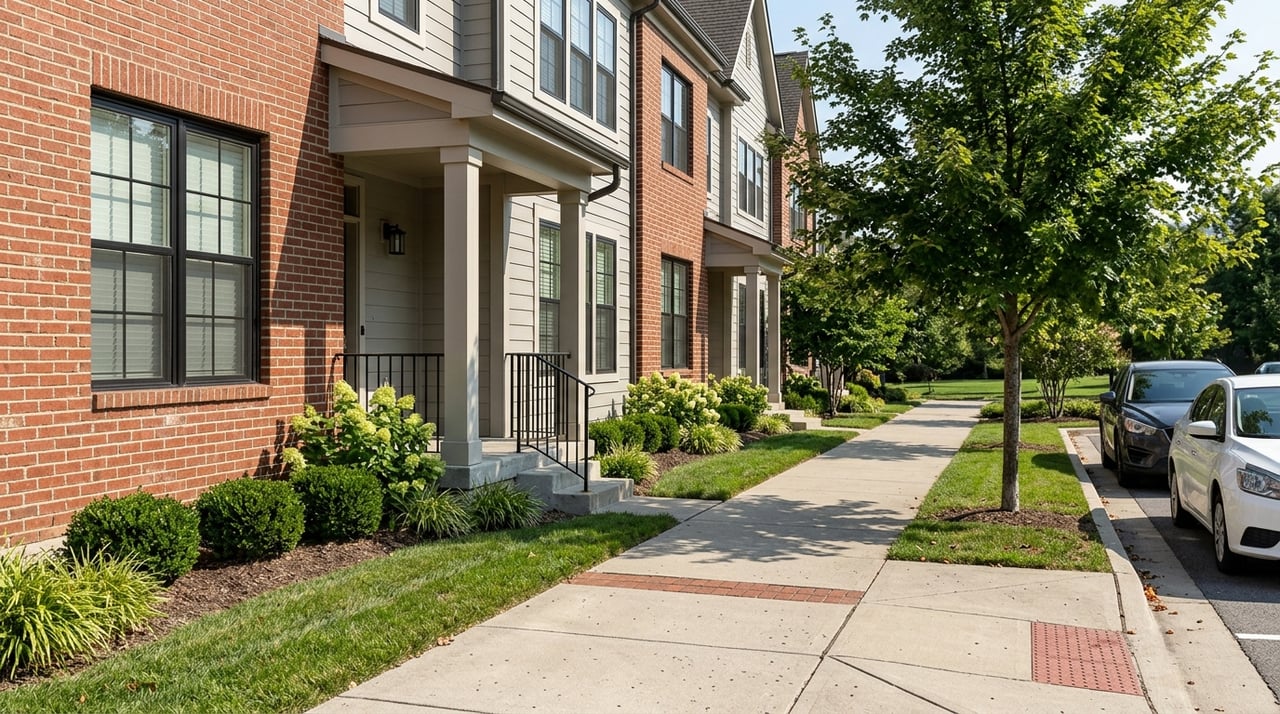
Urbana was planned with a traditional architectural style in mind. Community and builder materials describe neo-traditional and new-urbanism design, including front porches, alleyways, row houses, picket fences, and first-floor retail in some areas. That design approach helps create a streetscape that feels more connected and intentional than a standard spread-out suburban layout.
For many buyers, that translates into a more walkable and visually cohesive setting. You may notice that the layout encourages movement between homes, shared spaces, and shopping areas rather than separating everything by long drives and disconnected streets.
A big part of life in Urbana communities is how much is built into the area. This is one of the strongest lifestyle draws for people who want more than just a house. The community materials describe more than 4,100 homes along with open space, clubhouses, pools, tennis courts, trails, schools, and a market district.
That amenity-rich setup tends to shape your daily routine. Instead of planning special trips for every activity, many common needs and recreation options are already woven into the community. For buyers who want convenience close to home, that can be a major advantage.
Outdoor recreation is a major part of Urbana’s identity. Urbana District Park includes ball fields, a football and lacrosse field, a little league field, picnic shelters, playgrounds, restrooms, trails, sand volleyball courts, and Wi-Fi. Urbana Community Park adds a skate park and pump track, tennis and pickleball courts, playgrounds, ball fields, and soccer fields.
Community materials also say there are more than 25 tot lots and parks within the Villages of Urbana and Highlands. That kind of park network supports a lifestyle where getting outside can be part of your normal day rather than a weekend-only plan.
If you enjoy built-in recreation, Urbana stands out. Community materials describe three pools, including a waterpark-style setup with slides, a lazy river, and a lap pool, along with lighted tennis courts in the neighborhoods. These are the kinds of amenities that can make summer and after-work time feel easier and more local.
The Natelli Family YMCA in Urbana/Ijamsville adds another layer of convenience. It offers a wellness center, aquatics, youth sports, childcare, camp transportation, and weekly group exercise classes. For many residents, that means fitness, activities, and programming can stay close to home.
One of Urbana’s practical strengths is that you do not have to leave the community for many daily needs. The Urbana Market District serves as the main errand and shopping core. According to community materials, it includes Giant Food, boutiques, eateries, health and wellness centers, and other local businesses within walking distance.
Frederick Health also lists a regional medical office building on Worthington Boulevard in Urbana. That mix of grocery, dining, services, and healthcare helps support a day-to-day rhythm that feels organized and convenient.
The Urbana Regional Library adds another useful layer to everyday life. It offers passport services, curbside pickup, meeting rooms, study rooms, wireless internet, wireless printing, and a live events calendar. Current programming includes recurring storytimes and youth events.
For many households, a library is more than a place to borrow books. It can become part of your weekly routine for study time, activities, quiet work sessions, and community events.
Urbana’s school network is closely tied to the way the community is planned. Frederick County Public Schools pages identify Urbana Elementary, Urbana Middle, Urbana High, and Sugarloaf Elementary as key school names connected to the area. Community materials also describe schools and the library as part of a connected village framework.
That does not mean every home will have the same access pattern, but it does show how schools are part of the community design rather than an afterthought. For buyers trying to understand how a neighborhood functions day to day, that can be an important part of the bigger picture.
If you are looking for a nightlife-centered atmosphere, Urbana may not be the best fit. Based on the amenities and event structure, community life here leans more toward recurring, neighborhood-based activities. The Stone Barn Garden and Farmers Market runs seasonally on Sundays, and Stone Barn Community Gardens offers rentable plots.
That points to a community rhythm shaped more by local routines than by late-night entertainment. You are more likely to picture weekends that include market errands, park time, sports, swim days, or library visits than a nightlife-heavy scene.
For many buyers, Urbana’s location is a major selling point. Frederick County lists park-and-ride lots at I-270 and MD 80 Exit 26, with MTA 204 and 515 service. County planning materials also identify the Urbana corridor around I-270 and MD 355 as an important growth area.
Its position in southern Frederick County, just minutes from the Montgomery County line, helps explain why it appeals to people balancing Frederick County living with regional access. The broader county highway network includes I-270, I-70, US 15, US 40, and US 340, which supports travel throughout the region.
Even with plenty built into the community, it helps to know what is nearby. Monocacy National Battlefield offers a free outing option with a visitor center, walking trails, and preserved historic landscapes. Frederick County also has a broader dining scene beyond Urbana, which means your local convenience is paired with more regional options when you want a change of pace.
That balance can be appealing if you want a community with strong built-in amenities but still like having access to larger county-wide destinations.
Taken together, Urbana feels organized, amenity-dense, and highly connected. The parks, pools, trails, market district, library, schools, and commuter access all support a lifestyle where many daily activities stay close to home. If you value convenience, community structure, and a suburban setting with a more intentional layout, Urbana offers a lot to consider.
It is also a place where the details of the community can matter as much as the house itself. If you are comparing neighborhoods in Frederick County, Urbana is worth looking at not just for its homes, but for how the full community functions around them.
If you want help figuring out whether Urbana fits your lifestyle, goals, and home search, Myah C. Moxley can help you navigate the options with local insight and personalized guidance.
Myah makes meeting customer needs and satisfaction a priority and characteristic of RE/MAX Plus. Your goals are her goals, and she will work tirelessly for you to ensure your dreams are realized. Whether you are in the market to buy or sell, give Myah a call today, and let her work for you!